
Looking Out For Our Own
How a Rural Community Came Together to Support Mental Wellness
By Rebecca Purc-Stephenson
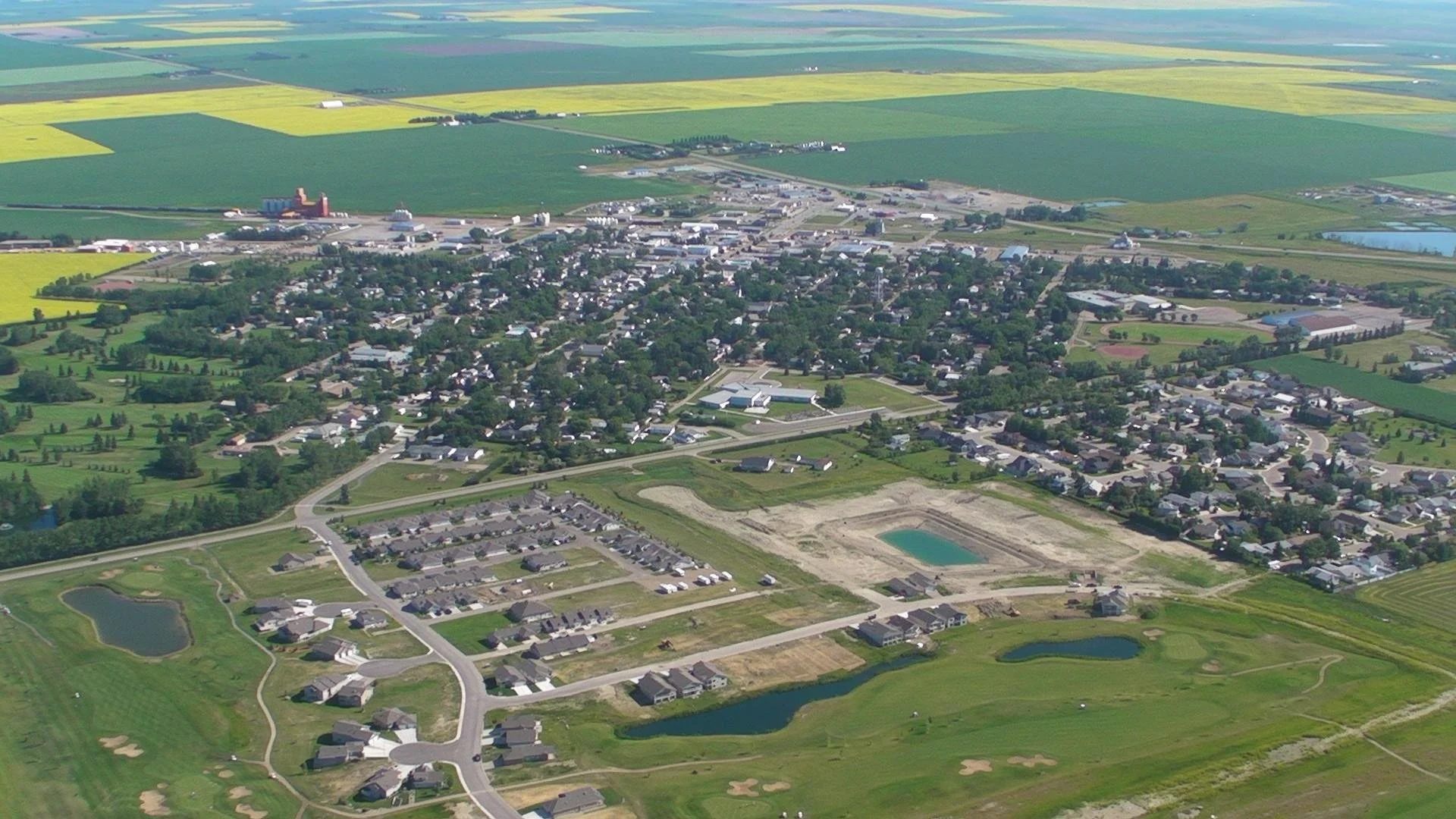
"Looking out for our own."
It's a phrase you'll hear in Vulcan County.
More than the name of their initiative, it's a way of thinking. Neighbours help neighbours. People step in when someone needs support. Challenges are seen as something to face together rather than alone.
When local leaders began asking what "looking after our own" meant for mental wellness, they weren't trying to create another organization or duplicate services already available in the community.
Instead, they asked a different question: How can we bring people together to better support one another?
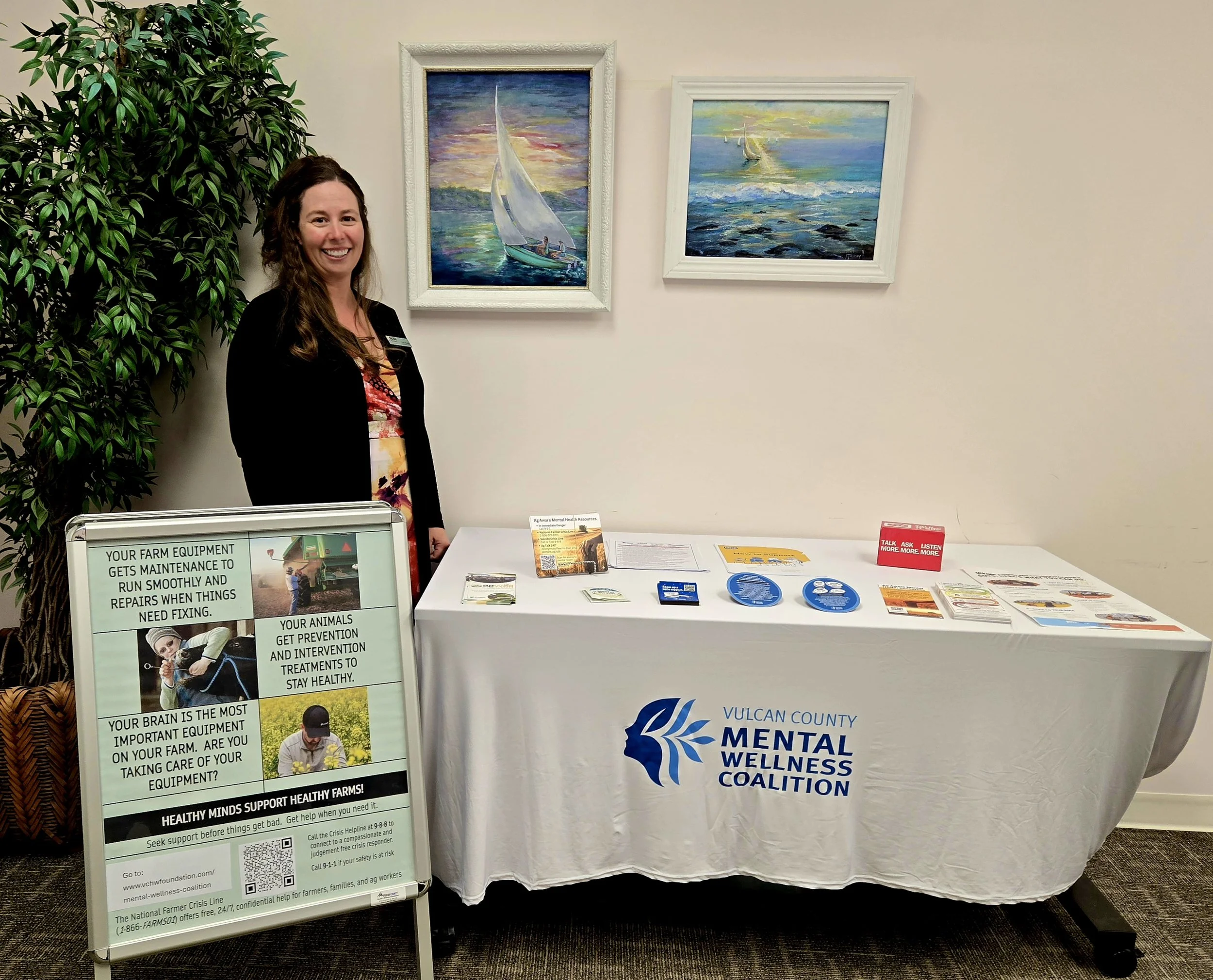
That question became the foundation of the Vulcan County Mental Wellness Coalition.
Today, the coalition includes representatives from health care, Family and Community Support Services (FCSS), education, municipal government, agriculture, community organizations, and volunteers. Together, they're building a stronger network of support—not by trying to do everything themselves, but by helping the right people work together.
Their experience offers valuable lessons for any rural community wondering where to begin.
Start by Listening
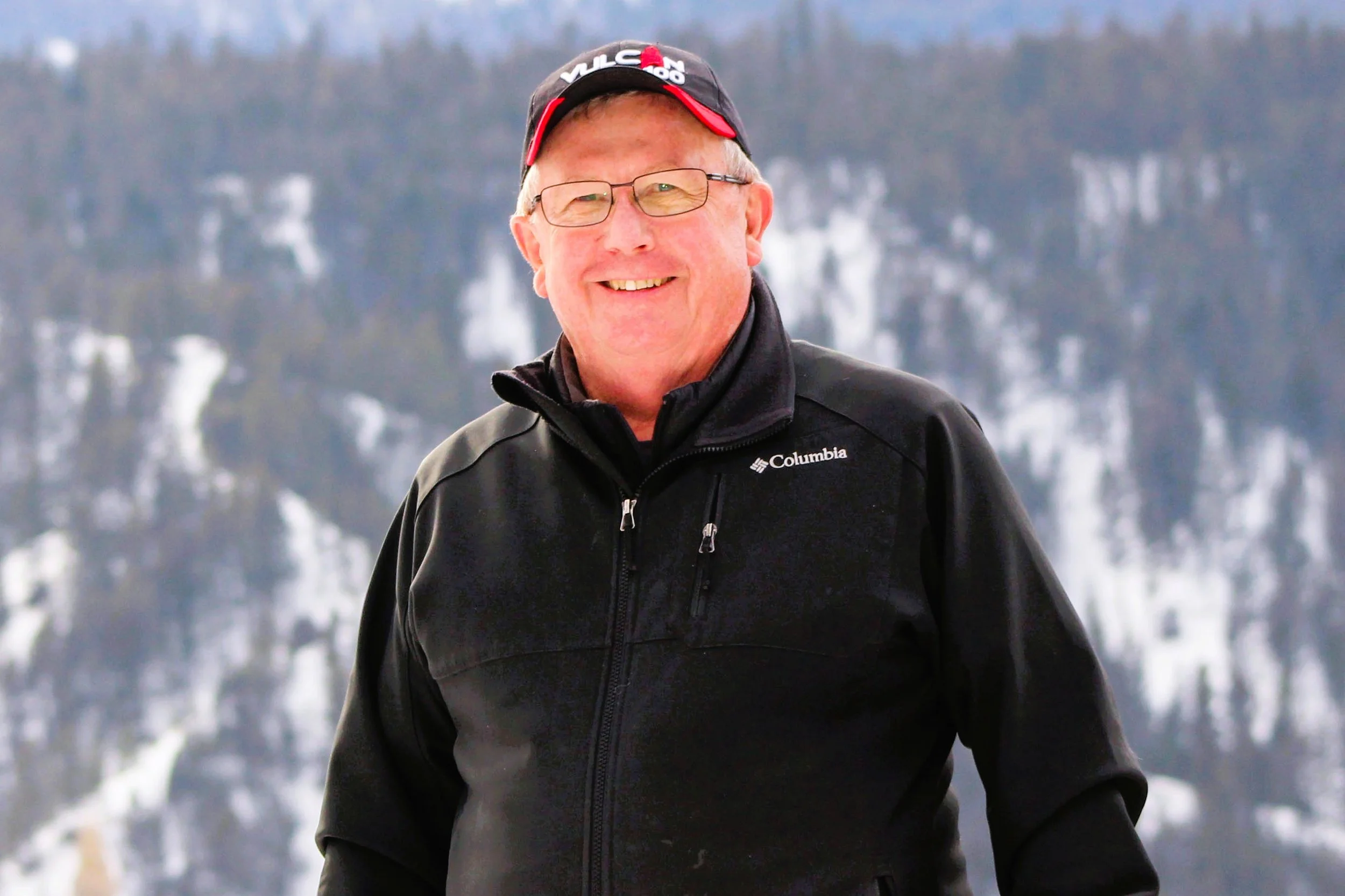
For Glen Hutton, Trustee on the Board of the Vulcan County Health and Wellness Foundation, the coalition grew naturally from work the Foundation was already doing.
After years of supporting physician recruitment and investing in local health care, the Foundation began asking a broader question. "If we're called the Health and Wellness Foundation," Glen recalls, "what are we doing about the wellness part?"
Build Relationships Before Programs
One of the coalition's greatest strengths is that it wasn't built around a single organization.
It was built around relationships.
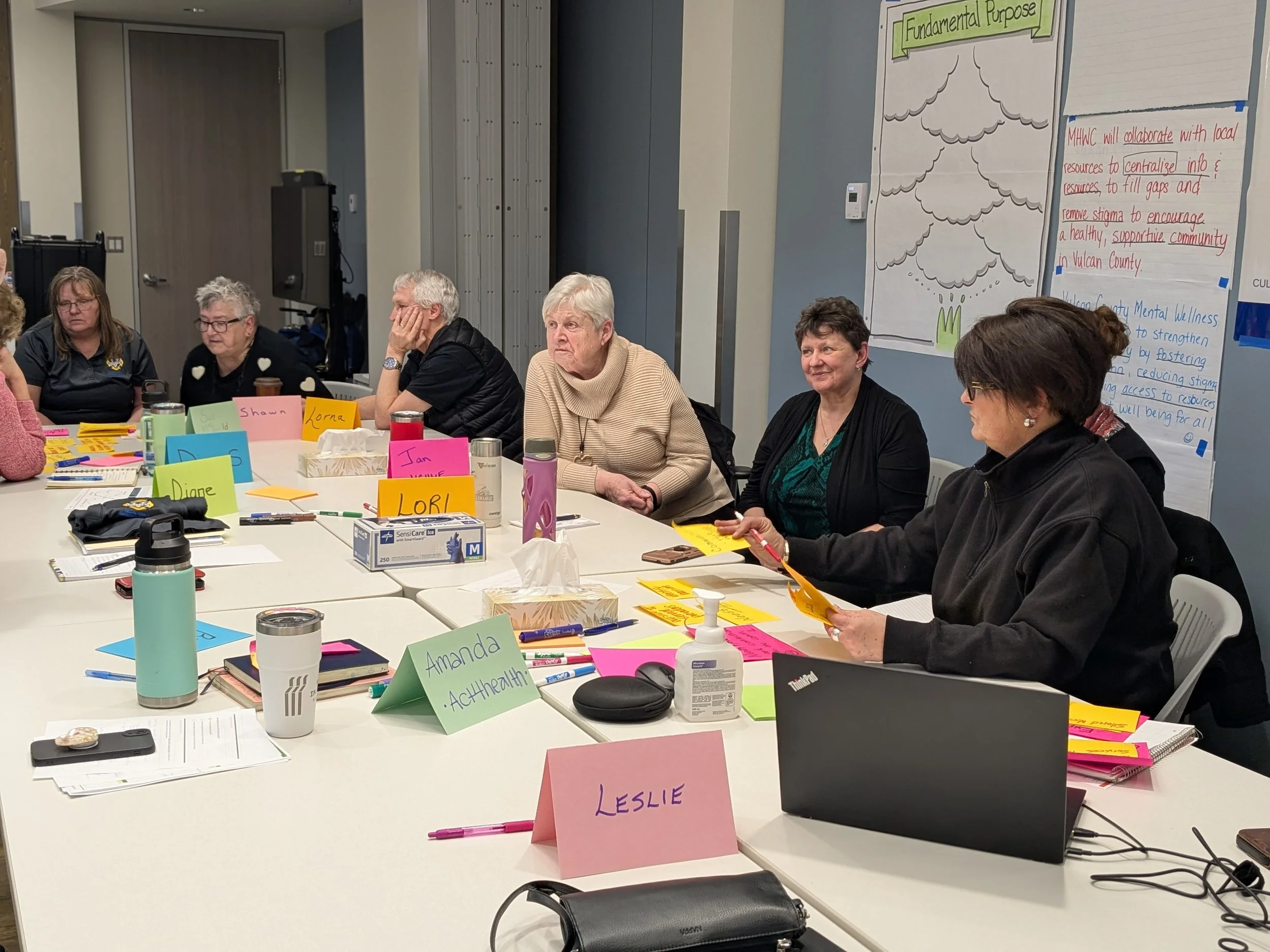
Lori Gair, from Vulcan FCSS, has watched those relationships grow over time. "The ability to bounce ideas off others—what are you seeing from where you're coming from, and what am I seeing from where I'm coming from?" she says. "All those things build the story of what the needs are out there."Rather than jumping straight into solutions, they started with conversations.
Who was already doing good work?
Who understood the needs of different groups?
Who wasn't yet at the table?
One conversation led to another, eventually bringing together people from across the county who all shared an interest in improving community wellbeing.
For Glen, that process mattered just as much as the outcome. "We weren't looking to create another committee," he explains. "We wanted to understand where we could actually make a difference."
That mindset has shaped everything the coalition does.
Instead of asking: What program should we create?
Their members asked:
Who is already doing this work?
How can we support them?
How do we connect people to the resources that already exist?
Rather than building parallel services, the coalition focuses on strengthening the connections between organizations, volunteers, and residents. It's an approach rooted in humility. No single organization has all the answers. But together, communities often have more capacity than they realize.
Learn Together
Neither Glen nor Lori describes themselves as experts in mental health. Instead, they describe themselves as learners.
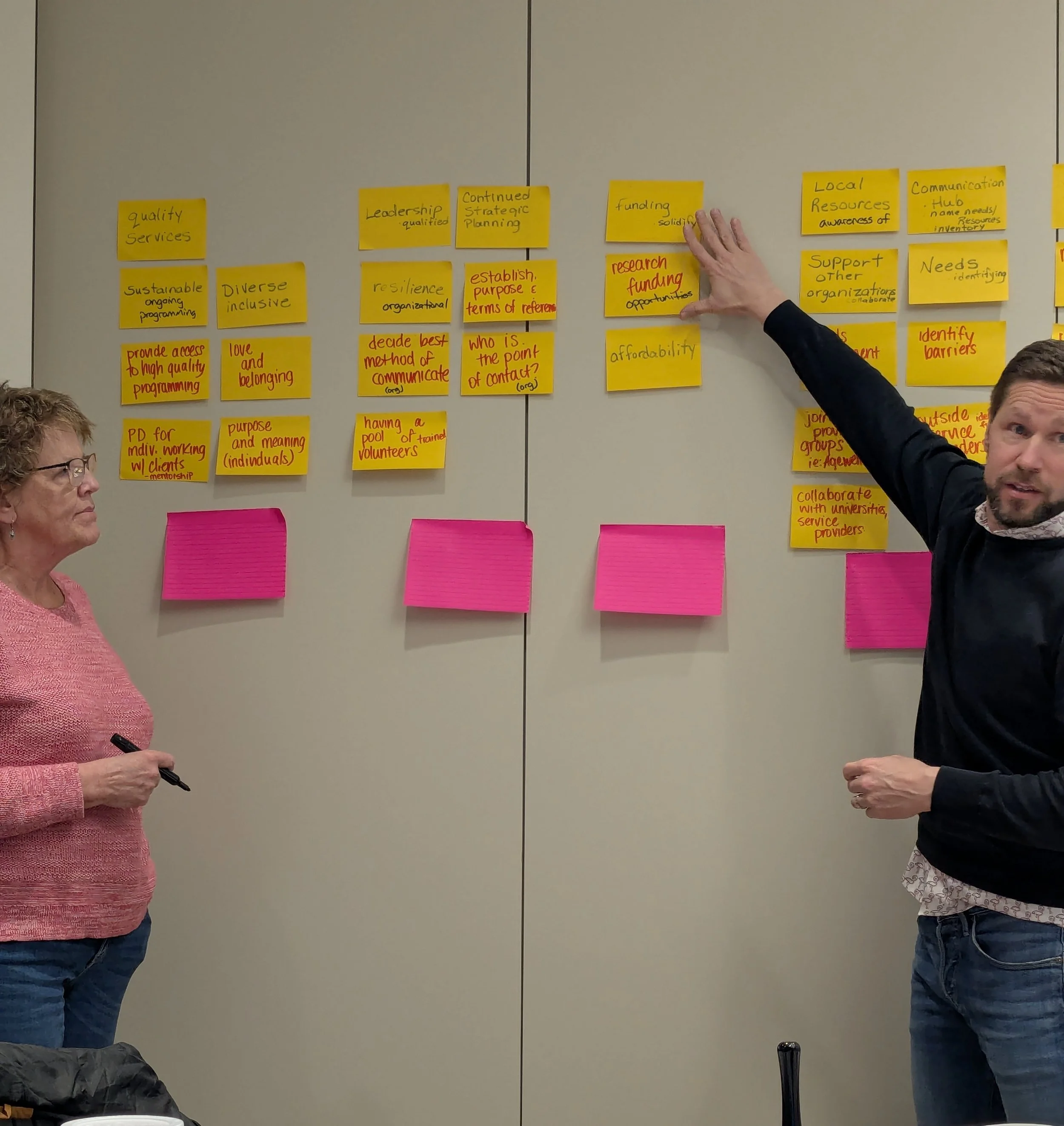
As the coalition evolved, members invited facilitators, researchers, healthcare professionals, and community organizations to share what they knew.
They also attended workshops. They asked questions. They explored what had worked elsewhere.
Most importantly, they adapted those ideas to fit Vulcan County.
That openness has led to partnerships and connections with groups like AgWell Alberta and the Do More Agriculture Foundation, bringing workshops, agricultural mental health initiatives, and new conversations into the community.
For Glen, learning isn't a one-time activity. It's how communities continue to grow.
Think County-Wide
Early in the planning process, coalition members made an intentional decision. This wasn't going to be a Town of Vulcan initiative. It needed to reflect the entire county.
That meant considering the perspectives of farmers, seniors, youth, families, healthcare providers, educators, businesses, and volunteers across many communities.
Mental wellness looks different depending on where people live and the roles they play.
By thinking county-wide from the beginning, the coalition has been able to build relationships across sectors rather than within a single community. That broader perspective continues to guide its work today.
Small Steps Create Momentum
Since forming, the coalition held a strategic planning session and developed a set of priorities and goals for the year.
That work led to supporting community conversations with former farmer and author Gerry Friesen, educational events, hosted events such as the Deep Rooted documentary screening, agricultural mental health initiatives, and partnerships that continue to grow.
But both Glen and Lori are careful not to measure success by the number of events they've hosted. Instead, they talk about something less visible. People know one another now. Organizations pick up the phone and call each other. Ideas are shared instead of protected.
New partnerships form naturally because trust already exists.
That's difficult to measure. But it's often where lasting change begins.
A Blueprint for Other Communities
When asked what advice they would give another community hoping to strengthen mental wellness, neither Glen nor Lori talked about funding first. They talk about people.
Bring together those who care. Listen before acting. Recognize the strengths already in your community. Don't feel like you need to create everything yourself. And don't be afraid to start small.
Those lessons resonate strongly with Dr. Rebecca Purc-Stephenson, founder of AgWell Alberta and a University of Alberta professor.
"One of the things I've admired most about Vulcan County is that they didn't begin by asking, 'What program should we run?'" she says. "They began by asking, 'Who needs to be part of this conversation?' That's a very different starting point. When communities focus on relationships first and then create a plan together, they're going to be in a much better position to build sustainable change."
As AgWell continues working with communities across Alberta, Vulcan County has become more than a partner. It has become a model.
Not because it has all the answers.
But because it demonstrates what can happen when people come together, remain curious, learn from one another, and commit to looking after their own.