
Understanding Burnout
By Rebecca Purc-Stephenson
How it can show up in farm life
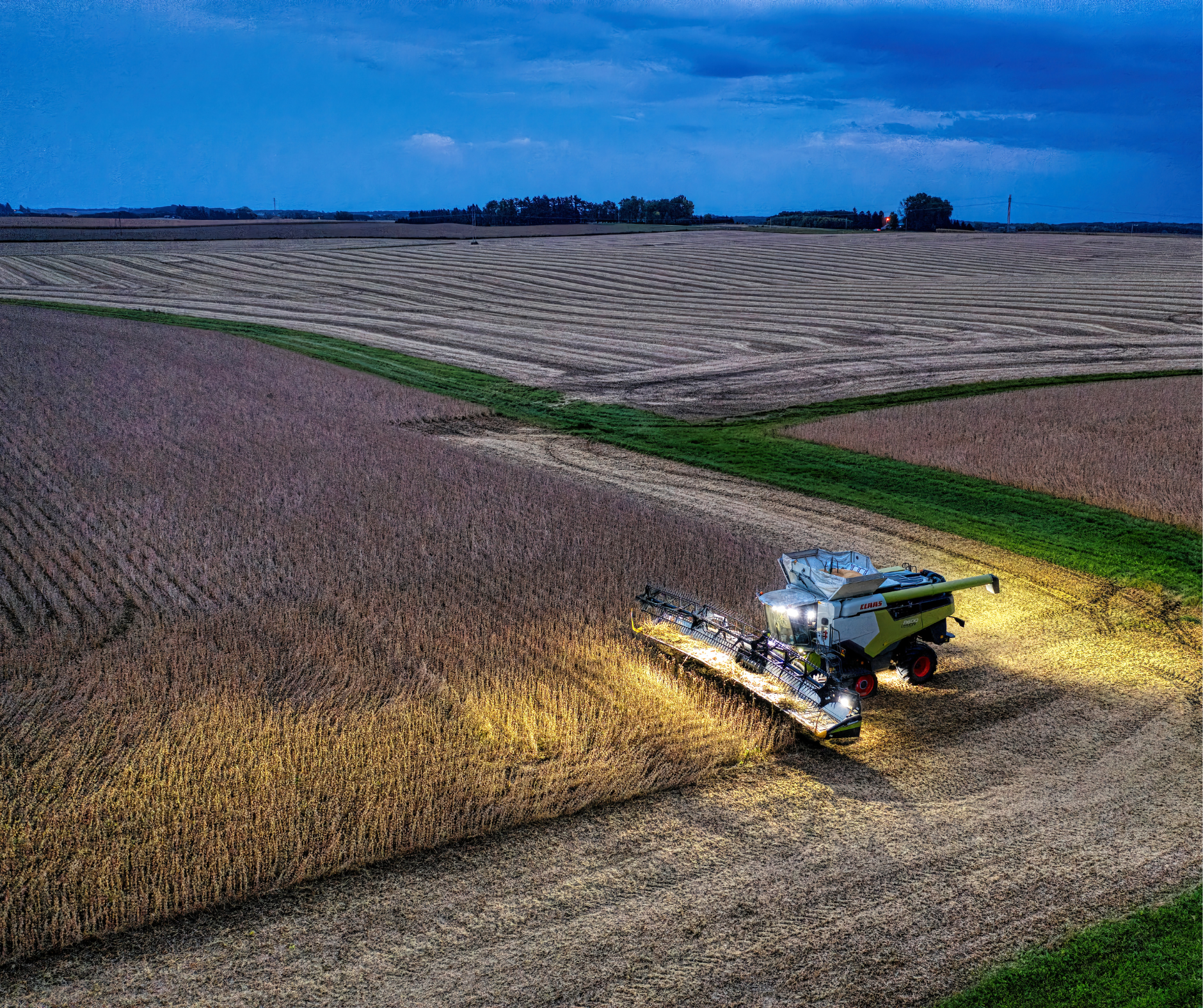
The sun has gone down, but a grain farmer is still in the field.
During harvest, long days are expected. This year, though, the exhaustion started well before harvest and never really lifted. There’s a lot happening in his personal life and the farm work seems relentless.
He wakes up tired, struggles to concentrate, and feels irritated by problems he would normally handle without much thought.
There’s always another field to finish, another repair to make, or another email waiting for him to respond to. Even when things go well, he no longer feels much satisfaction in the work.
He keeps going because the crop won’t wait. But as the hours stretch into the evening, he finds himself wondering whether anything he does is enough.
He’s still doing the work, but he feels increasingly disconnected from it and from the people around him.
What once gave him a sense of purpose now feels like another demand he has to meet.
This account is based on common experiences and patterns described in AgWell’s research with farmers.
Overview
Farm work does not fit neatly into a nine-to-five schedule. The farm may also be your home, your family’s livelihood, and an important part of who you are. During busy seasons, it can be difficult to step away or feel that the work is ever truly finished.
Burnout can develop when demanding work continues without enough rest, control, support, or opportunity to recover. It is generally marked by three experiences:
feeling physically and emotionally exhausted
becoming more negative, cynical, or detached from the work
feeling less effective or beginning to doubt whether your efforts make a difference
Burnout tends to build slowly. Because farmers are accustomed to long hours and difficult conditions, its early signs can be dismissed as simply part of the job.
Signs to Watch For
Signs of burnout may include:
feeling drained before the workday begins
struggling to get started or complete routine tasks
feeling cynical, resentful, or increasingly negative about the work
becoming impatient or emotionally distant with family, employees, clients, or others
feeling that nothing you do is good enough or makes a difference
losing satisfaction in accomplishments
having difficulty concentrating or remembering
making more mistakes or having more close calls
withdrawing from other people
losing interest in activities outside work
experiencing headaches, muscle tension, sleep problems, or ongoing fatigue
using more alcohol, cannabis, tobacco, or caffeine to get through the day or wind down
Burnout, depression, chronic stress, and fatigue can overlap. Someone can also experience more than one at the same time.
Is Burnout a Diagnosis?
Burnout is not classified as a medical condition or standalone mental disorder. It is an occupational phenomenon associated with chronic workplace stress that has not been successfully managed. This means there is no single clinical test that confirms burnout.
The Canadian Centre for Occupational Health and Safety identifies common signs such as exhaustion (feeling completely drained), cynicism (mistrust of institutions or government), irritability, difficulty being productive, reduced concentration, and a lack of satisfaction or enjoyment.
A health professional can help determine whether the symptoms may instead reflect depression, anxiety, a sleep problem, a medical condition, or a combination of concerns.
What Can Contribute to Chronic Stress?
Long hours can contribute, but burnout is not simply the result of working hard. Risk increases when someone faces ongoing demands alongside too little control, recognition, fairness, support, or recovery. On a farm, this may involve:
workloads that regularly exceed the time and labour available
feeling unable to step away because others depend on you
changing rules, policies, or expectations that feel outside your control
repeated equipment failures or production setbacks
financial pressure
unclear family or employee roles
conflict about succession or decision-making
work that no longer feels meaningful or connected to its purpose
isolation and limited opportunity to talk with people who understand
Burnout is not an individual failure. It often signals that the demands surrounding the person need attention.
What You Can Do
Recovery usually requires more than trying to be tougher or squeezing another wellness activity into an already full day. Start by looking at both your own needs and the conditions contributing to the problem.
Tell someone you trust what has changed.
Identify one demand that can be postponed, delegated, reduced, or handled differently.
Protect regular food, hydration, sleep, and brief rest periods during demanding seasons.
Reconnect with a part of farming, family life, or community that still feels meaningful.
Finish one manageable task to rebuild a sense of progress, rather than tackling the entire backlog at once.
Create clearer boundaries around roles, decisions, and availability where possible.
Pay attention to increases in alcohol, cannabis, tobacco, or caffeine use.
Talk with a health professional if exhaustion, detachment, or reduced functioning persists.
Do not assume that ongoing exhaustion is burnout. Physical illness, medication effects, sleep disorders, depression, anxiety, and other conditions can produce similar symptoms. An assessment can help clarify what is happening.
If you are thinking about suicide or are worried about someone else, call or text 9-8-8 anywhere in Canada. If there is immediate danger, call 9-1-1 or go to the nearest emergency department.
If you are thinking about suicide or are worried about someone else, call or text 9-8-8 anywhere in Canada. If there is immediate danger, call 9-1-1 or go to the nearest emergency department.
If you or someone you know needs support, the National Farmer Crisis Line is available 24/7 at 1-866-FARMS01 (1-866-327-6701), offering free, confidential support for farmers, farm families, and agricultural workers.
Burnout does not have formal diagnostic criteria as a mental disorder. A health professional can help distinguish burnout from depression, anxiety, fatigue, sleep difficulties, and physical health conditions.