
Understanding Chronic Stress
By Rebecca Purc-Stephenson
How it can show up in farm life
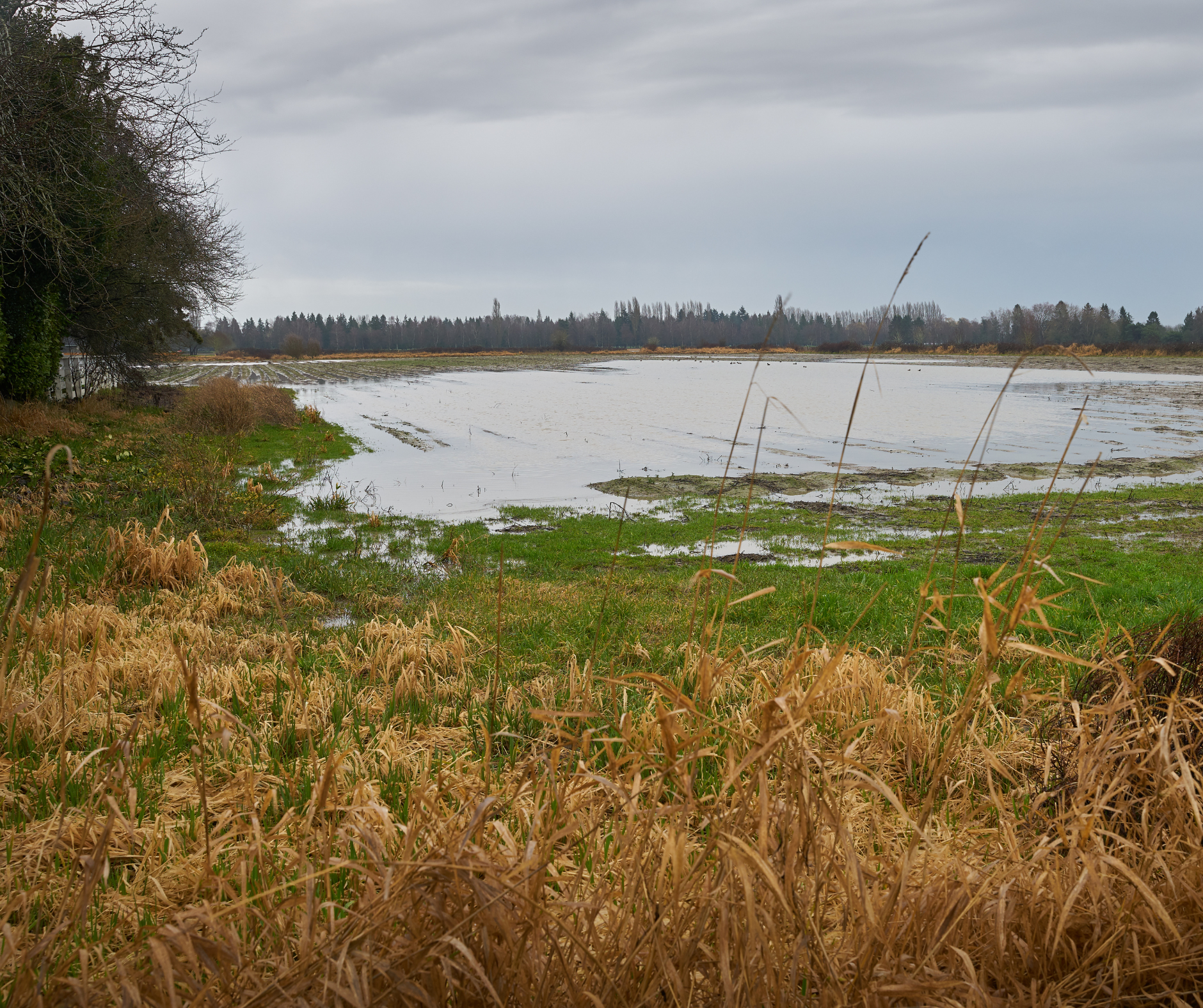
After last year’s drought, a mixed farmer had hoped this season would bring some relief.
Instead, heavy rain has flooded parts of his land. He cannot get into the fields to bale, and the hay is too wet to put up anyway. The pastures are saturated, but there is still not enough usable grass for his cattle.
He starts calculating what winter feed might cost. Then he calculates it again.
Last year, there was not enough rain. This year, there is too much. Each season brings a different problem, but the pressure never seems to let up.
He lies awake thinking about the cattle, the hay, and the bills ahead.
During the day, he feels tired, impatient, and has trouble concentrating. Even when the rain stops, his body remains tense, waiting for the next problem.
There has been no real chance to recover from last year before this year’s pressures began.
This account is based on common experiences and patterns described in AgWell’s research with farmers.
Overview
Stress is the body and mind’s response to a demand or threat. In the short term, it can help you react quickly, concentrate, and get through an emergency. That response can be useful during a machinery breakdown, a difficult calving, or an approaching storm.
Chronic stress develops when demands continue for a long time or when one pressure follows another without enough opportunity to recover. The body remains activated even when there is no immediate problem to solve.
Farmers commonly manage several pressures at once. In AgWell’s research, farmers described weather, workload, limited time and labour, equipment problems, finances, succession, public scrutiny, and changing policies as important sources of stress. Many also carry responsibility for animals, land, employees, and family. Because the farm is both a workplace and a way of life, it can be difficult to step away.
Signs to Watch For
Chronic stress can affect the body, thoughts, emotions, behaviour, and relationships. Signs may include:
headaches, muscle tension, or unexplained aches and pains
stomach or digestive problems
difficulty falling asleep, staying asleep, or feeling rested
feeling tired throughout the day
becoming irritable, impatient, restless, or easily overwhelmed
having trouble concentrating, remembering, or making decisions
eating much more or much less than usual
increasing alcohol, cannabis, tobacco, or other substance use
withdrawing from family, friends, or community activities
feeling as though you can never fully relax
making more mistakes or taking shortcuts because you are overloaded
There is no reliable rule that a certain number of symptoms means someone has chronic stress. What matters is whether the changes persist and are affecting health, safety, relationships, or daily functioning.
Is Chronic Stress a Diagnosis?
Chronic stress is not a standalone mental disorder with a single set of diagnostic criteria. It describes a prolonged stress response.
A health professional may assess the sources, duration, and effects of stress while also checking for conditions with similar symptoms, including depression, anxiety, sleep disorders, chronic pain, or physical illness.
The Canadian Centre for Occupational Health and Safety describes prolonged stress as affecting concentration, decision-making, mood, sleep, cardiovascular function, digestion, and other aspects of health. Because these symptoms can have several causes, ongoing or concerning changes should be discussed with a health professional.
What Can Contribute to Chronic Stress?
Chronic stress is more likely when demands remain high and the person has too little time, control, support, or recovery. Contributing factors may include:
repeated financial or production pressures
heavy workloads and long hours
labour shortages
unpredictable weather or markets
ongoing family conflict or caregiving responsibilities
succession uncertainty
chronic illness, pain, or injury
social isolation
feeling unable to influence decisions that affect the farm
a series of losses, emergencies, or major changes
Chronic stress is not a sign that someone is weak or unable to handle farm life. It often means the demands have exceeded the resources and recovery available to them.
What You Can Do
You may not be able to remove the weather, markets, or workload, but you can reduce how much pressure your body and mind carry without relief.
Identify what needs action today and what can wait.
Set realistic priorities rather than treating every task as equally urgent.
Build brief recovery periods into long days. Eat, hydrate, stretch, step outside, or sit somewhere quiet for a few minutes.
Protect sleep where possible. Persistent sleep problems deserve attention.
Talk with someone who understands the situation.
Ask for practical help with a specific task rather than waiting until everything feels unmanageable.
Notice whether alcohol, cannabis, tobacco, or caffeine use is increasing.
Make room for activities and relationships that are separate from farm demands.
Speak with a health professional if symptoms continue, worsen, or interfere with daily life.
Stress-management strategies are useful, but they should not place all responsibility on the person. Sometimes the most helpful response is changing a workload, timeline, role, or expectation, or bringing in additional support.
If you are thinking about suicide or are worried about someone else, call or text 9-8-8 anywhere in Canada. If there is immediate danger, call 9-1-1 or go to the nearest emergency department.
If you or someone you know needs support, the National Farmer Crisis Line is available 24/7 at 1-866-FARMS01 (1-866-327-6701), offering free, confidential support for farmers, farm families, and agricultural workers.
Chronic stress does not have a single diagnostic test or formal set of diagnostic criteria. A health professional can assess persistent symptoms and determine whether another mental or physical health condition may be involved.