
Understanding Anxiety
By Rebecca Purc-Stephenson
How it can show up in farm life
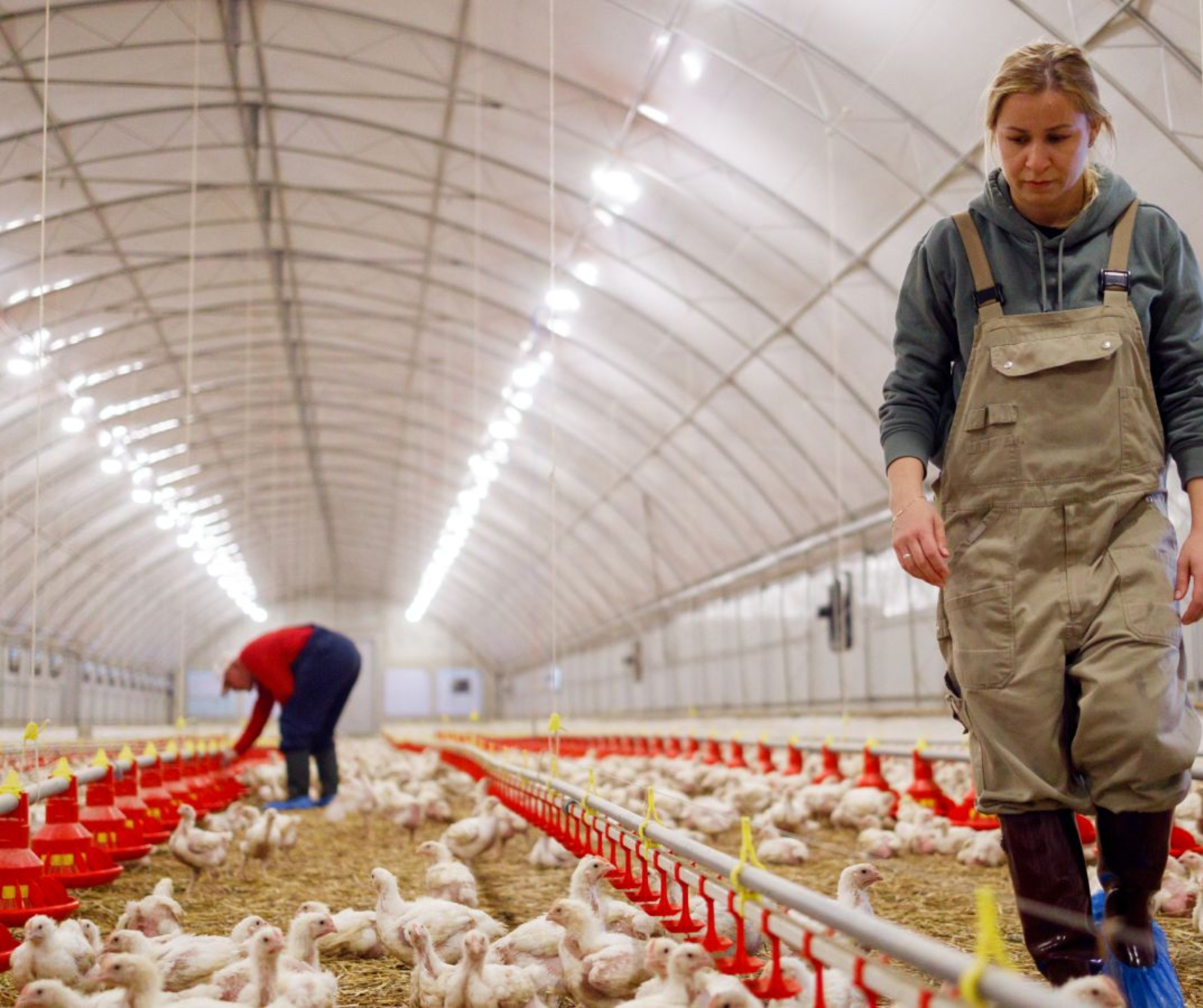
It’s July. And it’s hot.
A poultry farmer finds herself constantly checking the temperature in her barns. She checks throughout the day, before bed, during the night, and again as soon as she wakes up.
She doesn’t want to leave the farm. What if the temperature app fails again?
Last year, during a heat wave, the exhaust fans in one of the barns failed to kick in as the temperature climbed. The app did not send an alert. She had just left the farm to pick up her kids from school.
When she entered the barn later that afternoon, she knew immediately that something was wrong.
It was too quiet.
She lost thousands of birds.
The equipment has since been replaced, but she cannot stop thinking about what else might go wrong. She replays her decisions, worries about another equipment failure, and feels her heart race whenever she leaves the farm.
She knows that worrying won’t change the weather or prevent every malfunction. Still, throughout the summer, her mind and body remain on high alert.
This account is based on common experiences and patterns described in AgWell’s research with farmers.
Overview
Most people experience anxiety from time to time. You might feel nervous before meeting with a lender, making an important farm decision, or speaking in front of a group.
Your palms may sweat, your heart may race, and your stomach may feel unsettled. Once the situation passes, those feelings usually ease.
An anxiety disorder is different. The worry or fear remains, feels difficult to control, or is much stronger than the situation calls for. It can interfere with work, sleep, decision-making, relationships, and everyday life.
In AgWell’s Alberta farmer research, 42.7% of participants reported anxiety symptoms in the moderate-to-severe range.
This doesn’t mean that everyone met the criteria for an anxiety disorder, but it shows that anxiety is a significant and relatively common concern among farmers.
Types of Anxiety Disorders
Anxiety disorders take several forms:
Generalized anxiety disorder involves excessive and difficult-to-control worry about several areas of life.
Panic disorder involves recurrent, unexpected panic attacks and ongoing worry or behaviour changes related to having another attack.
Specific phobias involve an intense fear of a particular object, animal, activity, or situation.
Social anxiety disorder involves a strong fear of being judged, embarrassed, or rejected in social or performance situations.
Agoraphobia involves fear of situations where escape or help may feel difficult if panic-like symptoms occur.
Obsessive-compulsive disorder and post-traumatic stress disorder also involve fear or anxiety, but they are classified separately from anxiety disorders in current diagnostic systems.
Signs to Watch For
Anxiety can affect thoughts, behaviour, emotions, and the body. Signs may include:
worry that feels excessive or difficult to control
repeatedly imagining what could go wrong
feeling tense, restless, irritable, or constantly on guard
having difficulty concentrating or making decisions
avoiding people, places, tasks, or conversations
repeatedly checking, seeking reassurance, or creating routines to feel safer
a racing or pounding heart
shortness of breath or tightness in the chest
sweating, trembling, nausea, or dizziness
headaches or tense muscles
difficulty falling asleep, staying asleep, or feeling rested
Some anxiety symptoms can resemble physical health problems. Sudden chest pain, trouble breathing, fainting, or other severe symptoms should be assessed urgently rather than assumed to be anxiety.
How Is Anxiety Identified?
A health professional considers what you are afraid of or worried about, how long the symptoms have continued, and how much they interfere with daily life. Canadian clinical guidance from CAMH notes that anxiety disorders generally involve fear or anxiety that is excessive, persistent, and linked to significant distress or impairment.
The exact criteria vary by disorder. For example, generalized anxiety disorder involves excessive worry occurring more days than not for at least six months, difficulty controlling the worry, and related symptoms such as restlessness, fatigue, muscle tension, poor concentration, irritability, or sleep disturbance. Panic disorder has a different pattern and timeline.
A clinician may also assess physical conditions, medications, caffeine, alcohol, cannabis, and other substances because they can cause or worsen anxiety symptoms. A screening tool can identify concerns, but it does not replace a clinical assessment.
What Can Contribute to Anxiety?
Anxiety disorders usually develop through a combination of factors, which may include:
genetics or a family history of anxiety
temperament and learned patterns of responding to uncertainty
trauma or frightening experiences
chronic stress
physical health problems
alcohol, caffeine, cannabis, medications, or other substances
major changes or demands that feel difficult to control
Farming includes real uncertainty. Weather, markets, disease, input costs, equipment failures, and responsibility for animals or crops can all demand close attention. Anxiety becomes a concern when the mind and body remain on alert even when no immediate action is possible, or when worry begins to narrow your life.
What You Can Do
Anxiety disorders are treatable. A family doctor or nurse practitioner can assess your symptoms and look for possible physical causes. Treatment may include:
counselling, including cognitive behavioural therapy
gradual, supported exposure to feared situations when appropriate
medication prescribed and monitored by a qualified professional
reducing caffeine, alcohol, cannabis, or other substances that worsen symptoms
practical sleep, breathing, relaxation, and grounding strategies
peer or group support
breaking large problems into decisions that can be acted on now and those that cannot
Self-help strategies can support recovery, but persistent or severe anxiety deserves professional attention.
Seek help when anxiety is affecting your sleep, work, relationships, decisions, health, or willingness to leave home or take part in everyday activities.
If you are thinking about suicide or are worried about someone else, call or text 9-8-8 anywhere in Canada. If there is immediate danger, call 9-1-1 or go to the nearest emergency department.
If you or someone you know needs support, the National Farmer Crisis Line is available 24/7 at 1-866-FARMS01 (1-866-327-6701), offering free, confidential support for farmers, farm families, and agricultural workers.
The diagnostic information in this article is summarized from Canadian clinical guidance provided by the Centre for Addiction and Mental Health. Only a qualified health professional can diagnose depression.