
Understanding Depression
By Rebecca Purc-Stephenson
How it can show up in farm life
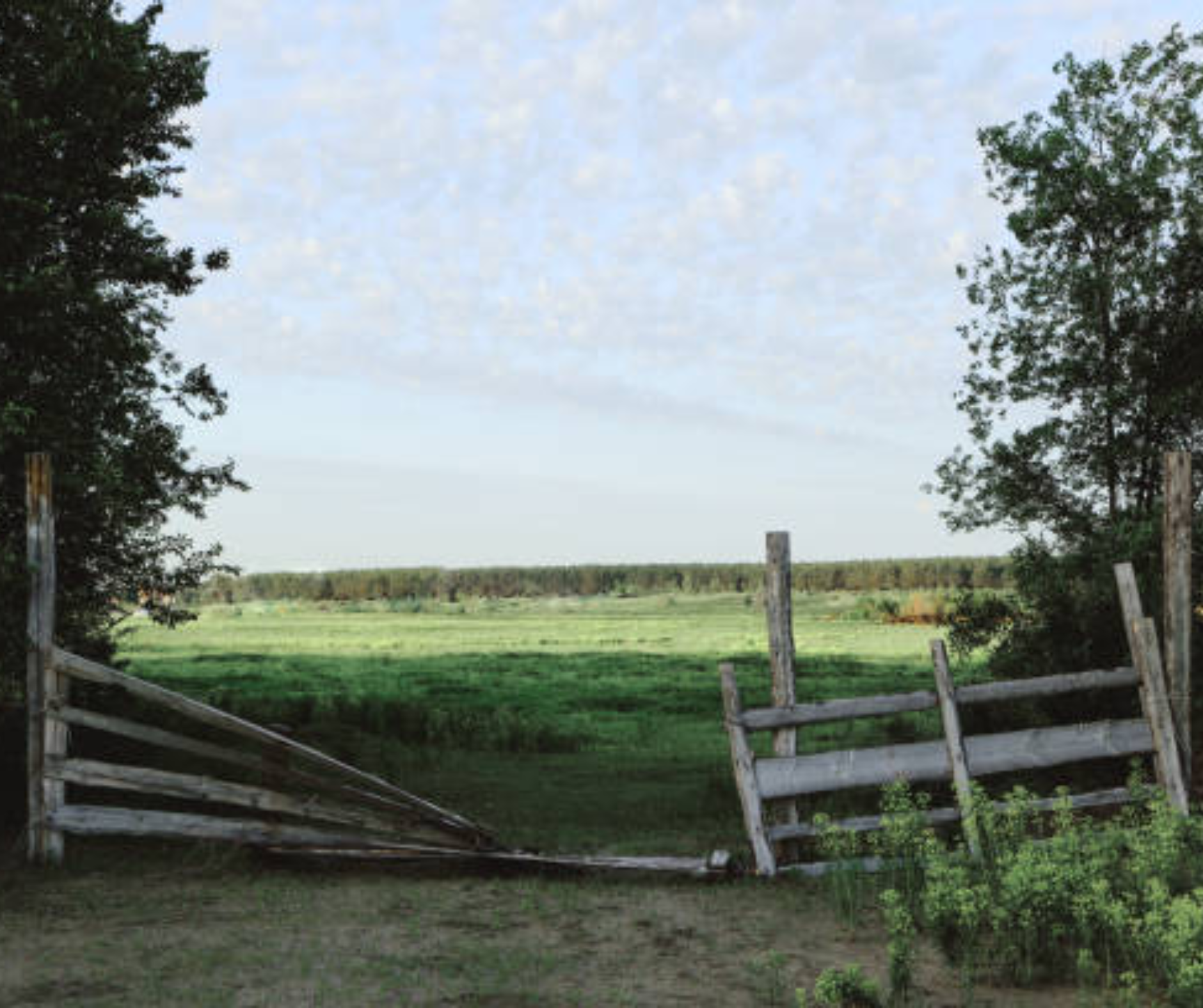
A section of fence had been leaning for weeks.
Normally, Barry would have fixed it before it became a bigger job.
Each time he drove past, he noticed it and told himself he would get to it tomorrow. But lately, even routine tasks felt harder to begin.
He was sleeping poorly, losing patience with his family, and avoiding calls from friends.
Like the fence, things in Barry’s life were beginning to wear down in small but noticeable ways.
He was still farming and meeting the most urgent demands, but he no longer felt like himself.
This account is based on common experiences and patterns described in AgWell’s research with farmers.
Overview
Depression is a serious mood disorder. In AgWell’s Alberta farmer research, 36.4% of participants reported symptoms in the moderate-to-severe range. A screening result is not the same as a clinical diagnosis, but it tells us that many farmers are carrying significant distress.
Depression is often associated with sadness and hopelessness, but it can appear in other ways. Someone experiencing depression may become irritable, withdraw from others, lose interest in the farm, take unnecessary risks, or use more alcohol or other substances than usual.
Depression is not something a person can simply “get over” or turn off.
Our moods are not a light switch.
Depression is a real and treatable health condition influenced by a combination of factors, including genetics, physical health, prolonged stress, difficult life events, personality, and brain chemistry.
Signs to Watch For
Depression can affect how you feel, think, behave, and function physically. Signs may include:
feeling sad, empty, hopeless, irritable, or numb
losing interest or pleasure in work, hobbies, relationships, or sex
feeling unusually tired or slowed down
having trouble sleeping or sleeping much more than usual
eating much more or much less than usual
having difficulty concentrating, remembering, or making decisions
feeling worthless, guilty, or like a burden
withdrawing from family, friends, or community activities
using more alcohol, cannabis, medications, or other substances
becoming more reckless or taking unusual risks
thinking about death or suicide
Depression does not look the same in everyone. Some people appear sad and withdrawn. Others become angry, impatient, restless, or absorbed in work. Gender, age, culture, health, and personal experience can all shape how depression is expressed. This is one reason depression can be missed, particularly when someone continues to work.
How Is Depression Identified?
A health professional looks at the number, severity, and duration of symptoms, as well as how much they interfere with daily life. According to the Centre for Addiction and Mental Health, depression may be present when symptoms occur most days, last for most of the day, continue for more than two weeks, and negatively affect work, relationships, or other areas of functioning.
A clinician may also ask about physical health, medications, alcohol or other substance use, and recent life events. Some medical conditions can cause symptoms that resemble depression. A proper assessment helps rule out other explanations and identify suitable treatment.
An online checklist or screening questionnaire can help you decide whether to talk with someone, but it cannot provide a diagnosis by itself.
What Can Contribute to Depression?
There is no single cause, and depression can happen to anyone. Factors that may increase risk include:
a personal or family history of depression
prolonged stress without enough recovery
financial pressure or uncertainty
chronic pain, illness, injury, or changes in physical ability
grief, relationship breakdown, or another major loss
social isolation
trauma
alcohol or other substance use
some medications or health conditions, including thyroid problems
For farmers, several pressures may build at once. Weather, debt, labour shortages, equipment problems, succession decisions, public scrutiny, and responsibility for animals, land, employees, and family can leave little room to recover.
What You Can Do
Depression is treatable. The right approach depends on your symptoms, health, preferences, and circumstances. Support may include:
talking with a family doctor, nurse practitioner, psychologist, counsellor, or other mental health professional
counselling, including cognitive behavioural therapy and other evidence-based approaches
medication when recommended by a qualified prescriber
addressing sleep, pain, substance use, or other health concerns
reconnecting with trusted people instead of carrying everything alone
making small, realistic changes to meals, movement, rest, and daily routines
peer support or community-based support
You do not need to wait until you are unable to work.
If you have felt unlike yourself for more than two weeks, or your mood is affecting your decisions, relationships, safety, or ability to manage daily life, it is worth talking with someone.
The diagnostic information in this article is summarized from Canadian clinical guidance provided by the Centre for Addiction and Mental Health. Only a qualified health professional can diagnose depression.
If you or someone you know needs support, the National Farmer Crisis Line is available 24/7 at 1-866-FARMS01 (1-866-327-6701), offering free, confidential support for farmers, farm families, and agricultural workers.