
You Noticed Something Was Different. What Comes Next?
By Rebecca Purc-Stephenson
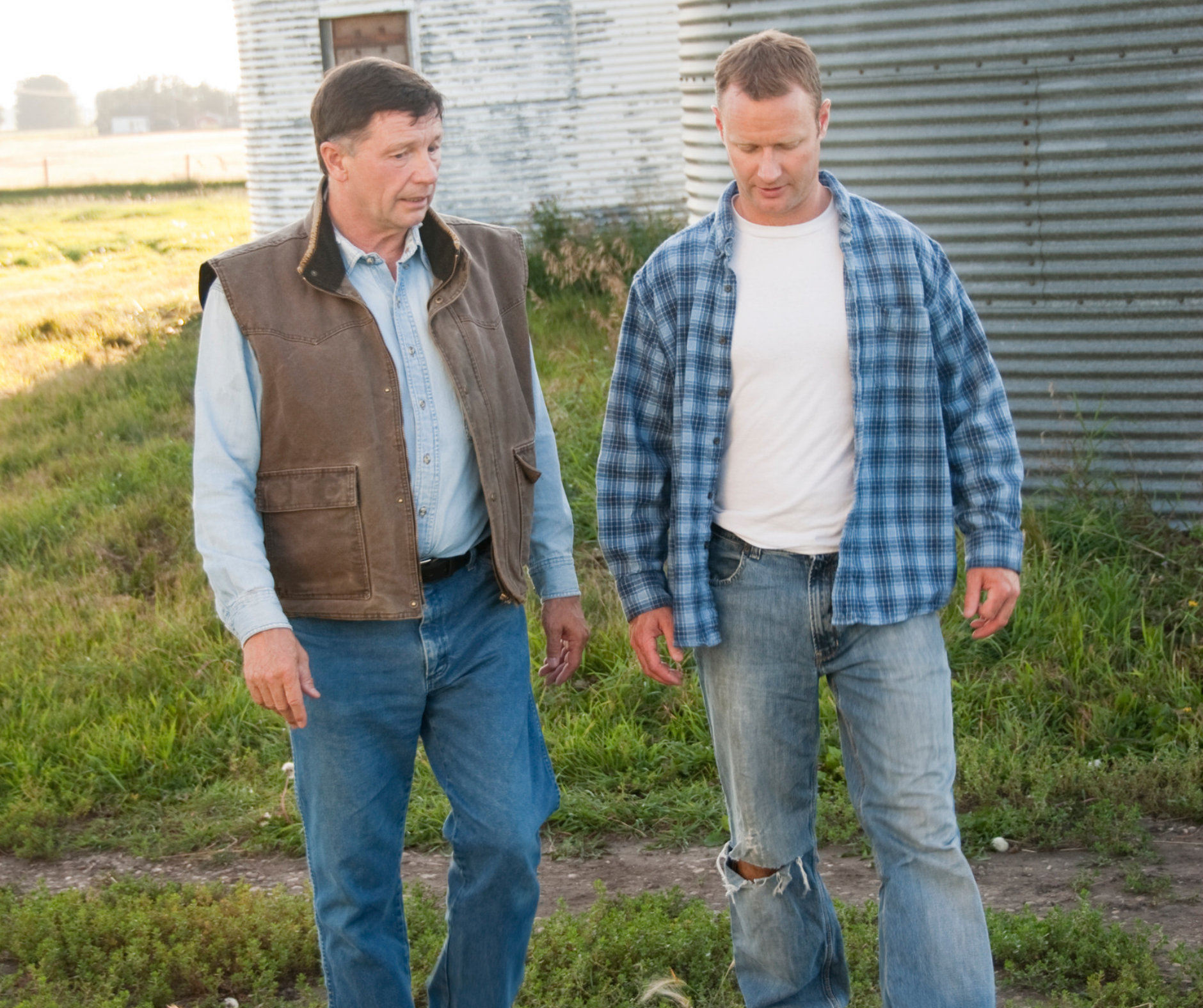
“It’s okay to lean in and have a caring conversation.”
– Maret Felzien, High Plains Research Network community advisor
Farmers notice things.
A cow hangs back from the herd. A crop changes colour. A piece of equipment begins making a different sound. Clouds build in a way that suggests the forecast may not have the full story.
These observations aren’t accidental. They come from knowing what is normal and recognizing when something has changed.
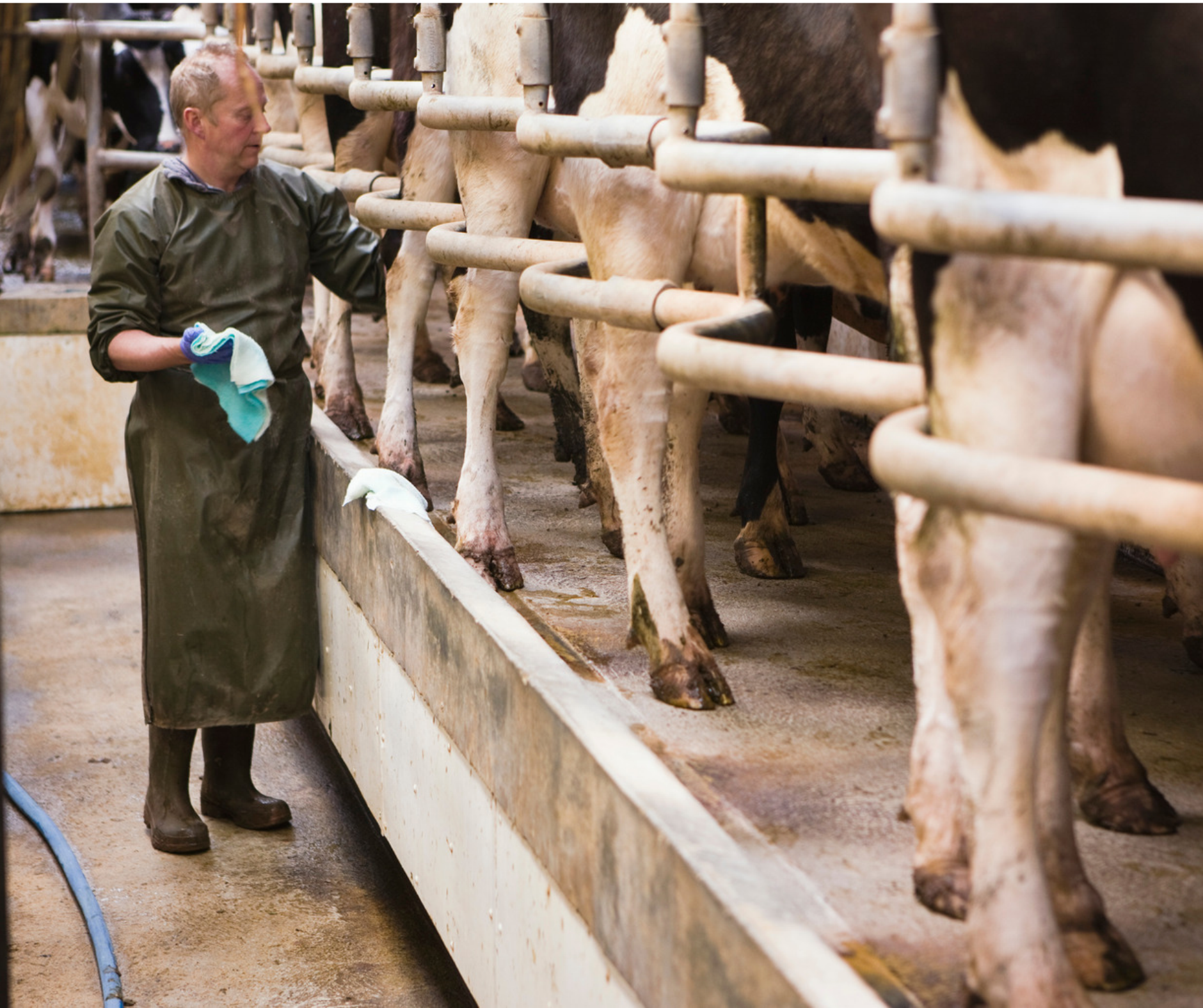
When we conducted interviews with farmers across Alberta, many described how important observation skills were when it came to caring for their animals. As one farmer explained, “Some people don’t realize when their animal has slowed, if they’re not around them often.”
Recognizing a subtle change depends on familiarity. When you regularly work with an animal, you learn its usual movement, appetite, behaviour, and routines. A small difference can signal that something needs attention, even before there is an obvious problem. The same can be true with people. Knowing how someone usually talks, works, or interacts can help you notice when they seem quieter, more distracted, less patient, or simply unlike themselves.
The same principle can apply to people.
Noticing when someone seems different
Imagine that you regularly meet a neighbour at the local coffee shop or input supplier. Usually, he stays to talk about crops, machinery, or what everyone is seeing in the fields.
Lately, he has been leaving quickly. He seems distracted. When you ask how harvest is going, he says, “Fine. Just busy,” and changes the subject. Nothing he has said suggests an immediate crisis. Still, something feels different.
You might wonder whether you should say anything.
What if you are wrong? What if he does not want to talk? What if the conversation becomes more personal than you expected?
This is the space COMET™ was designed to address.

What is COMET™?
COMET™ stands for Changing Our Mental and Emotional Trajectory. It was developed in rural eastern Colorado by the High Plains Research Network Community Advisory Council, working alongside rural mental health professionals and researchers.
The program grew from a simple finding. When people described what had helped during a difficult period, they often remembered another person who noticed a change, asked how they were doing, and genuinely listened.
COMET™ calls this being “the other person.”
You are not expected to diagnose someone, provide counselling, or fix the situation. You are learning how to be the person who notices, reaches out, and makes room for a conversation.
Support before a crisis
Many mental health programs focus appropriately on recognizing an emergency or responding to suicide risk. Those skills matter.
But people do not move directly from doing well to being in crisis. There is often a period in between. Someone may be overwhelmed, discouraged, anxious, lonely, or carrying more pressure than usual. They may still be working, parenting, making decisions, and taking care of the farm. From the outside, it may not be obvious how much effort that requires.
This is where an early conversation can help.
In the example above, checking in could be as simple as saying:
“You seem quieter than usual. How are things going?”
The observation makes the question specific. It also tells the person that your concern comes from paying attention.
They may talk. They may say they are fine. They may not be ready that day. The purpose is not to force a disclosure. It is to create an opening and show that someone noticed.
What do you learn in COMET™?
AgWell offers COMET™ as a practical 90-minute workshop for farming and rural communities. Participants learn how to:
Recognize when someone may not be themselves
Begin a supportive conversation without making assumptions
Use a seven-question conversational guide
Listen without immediately trying to solve the problem
End an emotional conversation in a supportive way
Share additional resources when someone needs more than a listening ear
The workshop is interactive and grounded in ordinary conversations between friends, relatives, neighbours, coworkers, and community members.
You do not need a background in mental health. You need some willingness to pay attention, ask a sincere question, and listen to the answer.
Observation can be a form of care
Farmers already use observation to respond early, before a small concern becomes a larger problem.
With people, the signs are not always as clear. A change could have many explanations, and noticing it does not tell you exactly what is happening. But it can give you a reason to check in.
You do not have to wait until you are certain someone is struggling.
Sometimes the next step begins with a simple sentence:
“I’ve noticed you don’t seem quite like yourself lately. Do you want to talk?”
COMET™ helps people feel more prepared for what comes after that question.
COMET™ was developed in rural eastern Colorado by the High Plains Research Network Community Advisory Council, rural mental health professionals, and researchers from the University of Colorado Department of Family Medicine. It grew from their shared concern about the mental and emotional well-being of rural communities and the limited availability of accessible mental health care.
Learn about upcoming COMET™ workshops or book one for your group through AgWell Alberta.